What do you do, Dan?

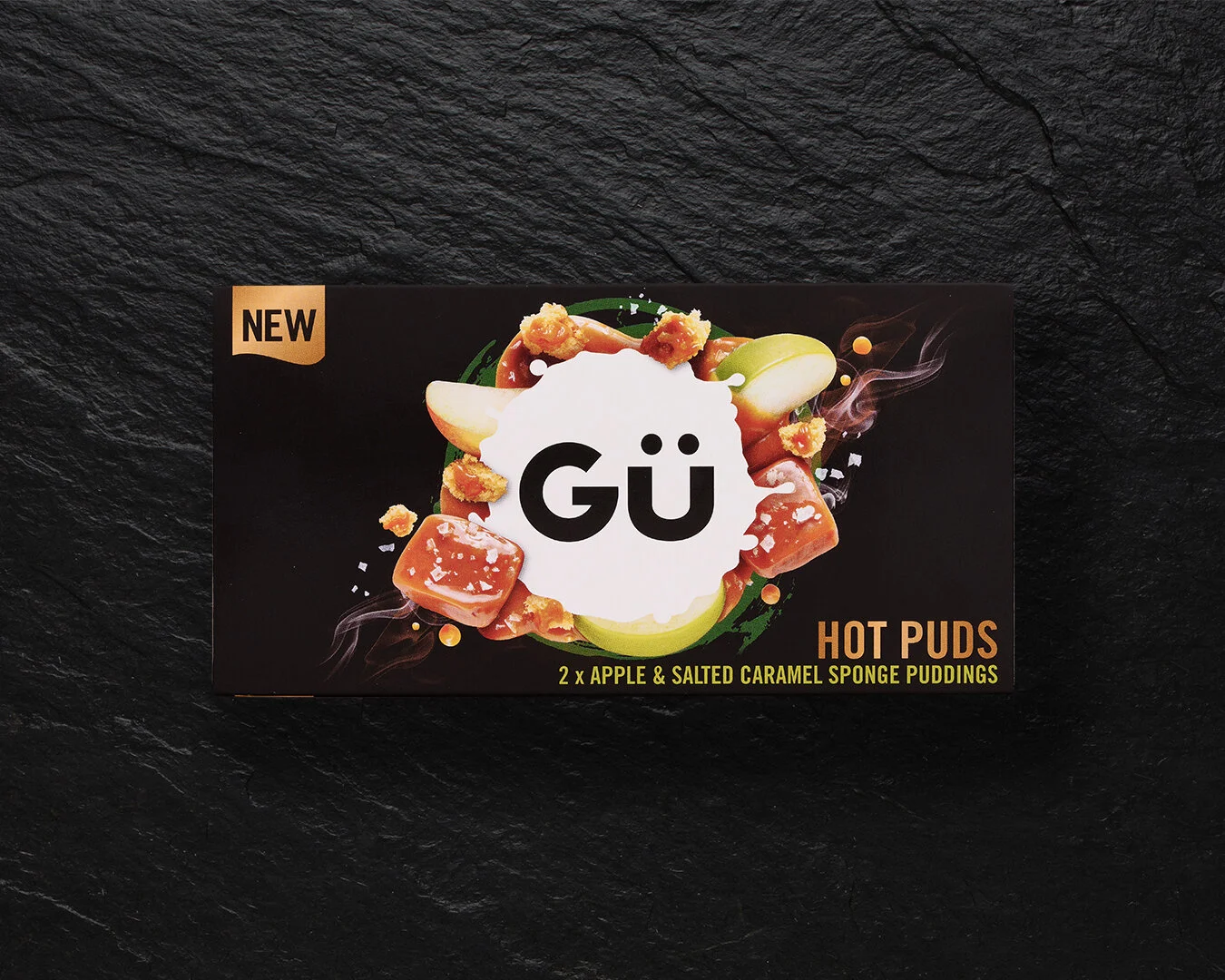
Brands, and campaigns mainly. I’ve been a graphic designer for just shy of a decade. Freelancing for three of those 10 years. Fresh out of uni, I started working in a design for publishing agency before making my way into brands and campaigns. Working with young and growing agencies, I was required to wear many hats in order to execute brand and campaign design across every touch point; digital, print, motion, illustration. My work has been plastered on the side of buses … even wrapped around buses, seen on the screens of millions, and even on supermarket shelves.

Maybe that’s not niche enough, but as a graphic designer, you’re a problem solver. When a new problem is thrown at me, I figure it out.

Clients

  • A visual identity, a style, the ins and outs, the dos and don’ts, the tiny details and the systems that make a brand unique. Throughout my career, I’ve had the pleasure of creating many identities from scratch, as well as refreshing numerous brands.

    My process is usually working out a look and feel with the client by creating multiple mood boards to figure out what’s working and what isn’t. Once both parties are happy, I’ll begin developing a style guide that pushes the exploration further in order to form the foundation of an expanded brand guidelines document.

    The logo is almost always the last part of this process as I’ve always relied on the developed branding to inform what a mark will look like and how well it will intergrate into a visual identity system.

  • I started creating animations when I was around 12-years-old. By the time I’d made it to university, I was already a very competent animator. I didn’t realise how much this would benefit me later on in life when I start exploring motion graphics.

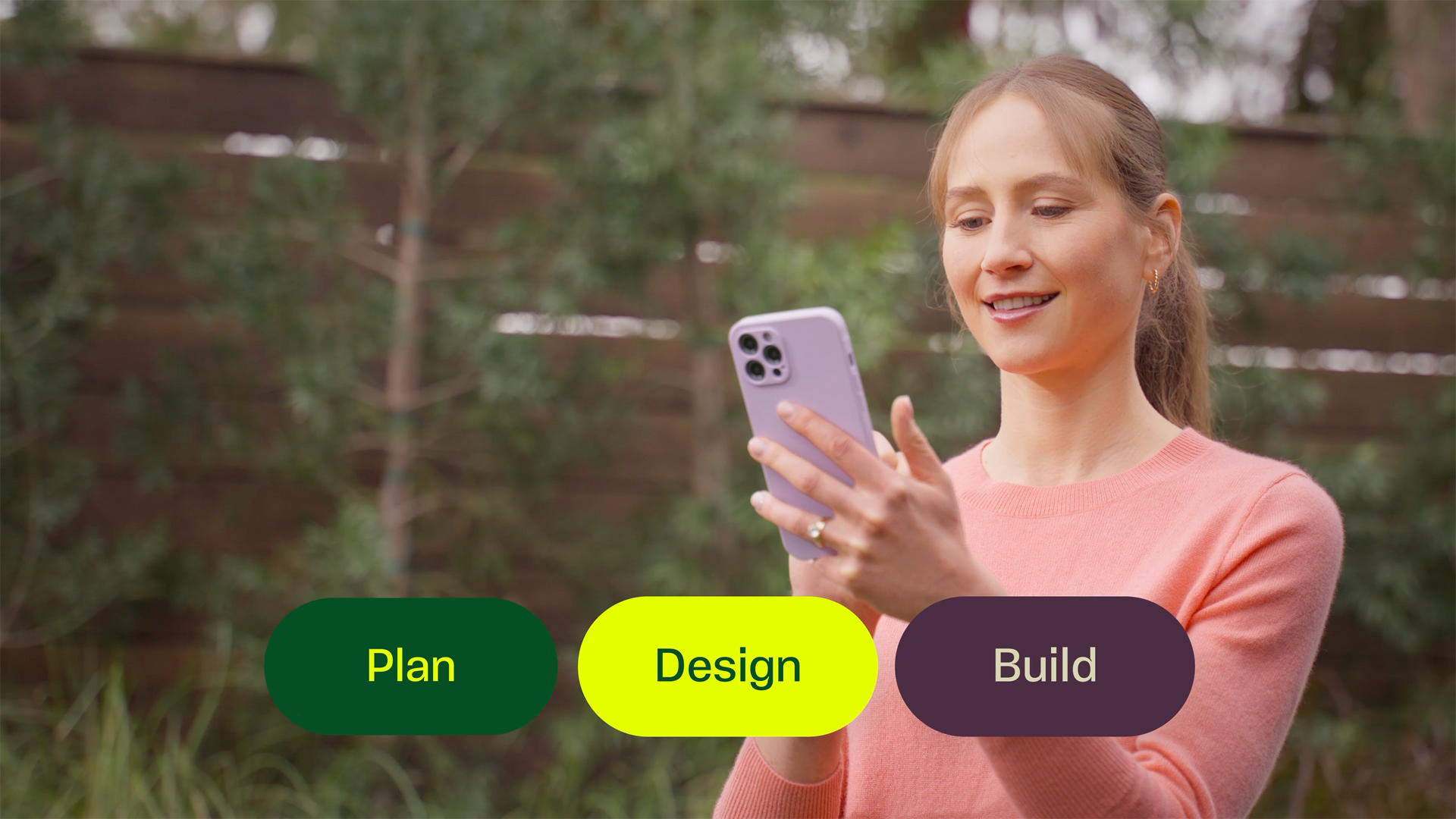
    Motion is one of the most effective ways to breathe life into a brand. I’ve produced motion graphics for social media, digital ads, TV ads, explainer videos, logo idents, OOH campaigns, and much more. While I don’t promote myself as a motion designer, explicitly, my portfolio does feature many examples of my motion work.

    My focus is brand-led work, across all touchpoints. And I employ motion as part of a service offering that makes me a one-stop shop.

  • Social media is where brand identity meets real-world scrutiny. Over my career I've designed social content for a number of household names, work that demands consistency at scale and an understanding of platform nuance.

    I know my way around every major platform: the safe zones, the aspect ratios, the quirks. What works in an Instagram carousel doesn't necessarily translate to LinkedIn, and getting that right is the difference between content that feels native and content that clearly doesn't.

    Motion is where social design becomes something more. My background in motion means the design and animation come from the same place, rather than being handed off and lost in translation.

  • A well-designed presentation can be the difference between an idea that lands and one that doesn't. I've designed pitch decks, investor documents, and internal presentations for a range of clients, bringing the same typographic rigour and brand consistency to slides that I apply across every other discipline.

    Most presentations suffer from the same problems; too much text, too little hierarchy, and templates that were never really designed to begin with. Working in both Figma and PowerPoint, I approach each deck as a design problem first, ensuring the visual language serves the content rather than getting in the way of it.

  • Taught by a typographer, and beginning my career as a graphic designer in a design for publishing agency, my InDesign expertise still remains as one of, if not my most honed skill.

    Be it gorgeous layouts boasting considered typography, or highly technical documents requiring voluminous and precise edits – editorial design is a key component of my repertoire. Most designers can use InDesign, but I’d say most are unable to use it in a highly production oriented fashion, knowing their way around GREP and advanced styling.

  • Designing for screens has always been a natural extension of my brand work. A brand without a digital presence is rarely a complete one, and so UI and web design has become an integral part of what I offer. I work in Figma, and have done so long enough to consider it as much a thinking tool as a production one, from early wireframes and user flows through to polished, developer-ready components and prototypes.

    My approach is brand-led by default. The result is digital work that doesn't feel detached from the brand it belongs to, something that's far more common than it should be.

    I've designed websites, landing pages, app interfaces, and design systems, each with the same attention to detail I bring to any other discipline.

  • Digital illustration is what led me to graphic design. Being a designer and illustrator means I can adapt my styles as needed to suit an array of different projects.

    Vector or freehand, I can adapt my illustration style to suit a project.